In a candid, exclusive interview, the Walkley award-winning cartoonist explains what influenced her decision to leave her coveted role as cartoonist for The Sydney Morning Herald and The Age after 37 years.
“Heart sick. That’s been a lot of it this year,” she tells Antoinette Lattouf in her first interview since leaving the newspaper, on a new Ette Media weekly podcast, 'They Used To Be… 'released today.
“The paper wasn’t being as courageous as it had been or as honest or independent as it had been.I felt no longer safe to be in my job in the newspaper, where for the longest time I had felt like it was the safest place to be, where I could say what I want and I know I'll be protected.”
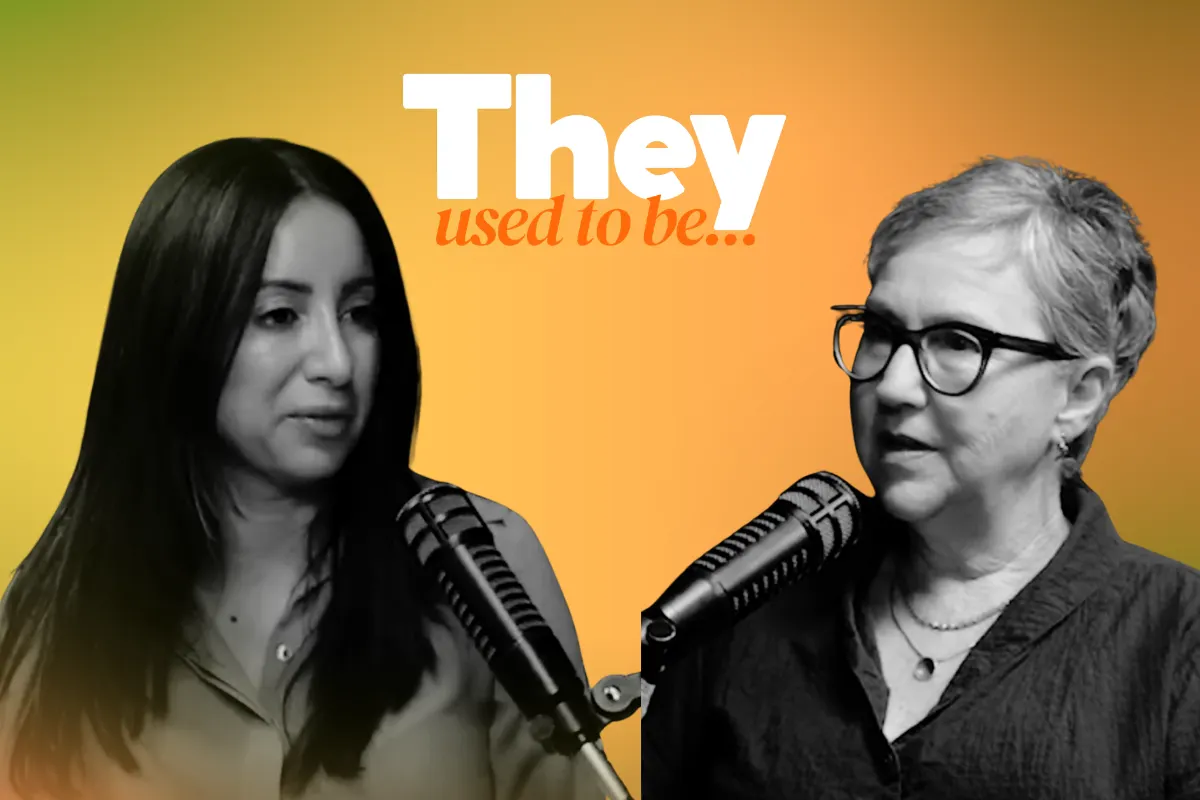
Ette Media’s They Used To Be…, a new interview series hosted by journalist and author Antoinette Lattouf, will be dropped into the award-winning We Used To Be Journos feed every Monday.
The interviews focus on a range of people who used to do or be something that defined them, shaping how they saw the world, and how the world saw them.
“What I'm curious to know and share with listeners is what happens once someone steps away from a position. What do they see now that they couldn't see then? And what do they want the public to know? Now that they’re on the outside, they can reflect honestly, perhaps brutally, on their past lives. Maybe they’ve got less or, in some cases, nothing to lose,” host Lattouf said.
Support independent media.
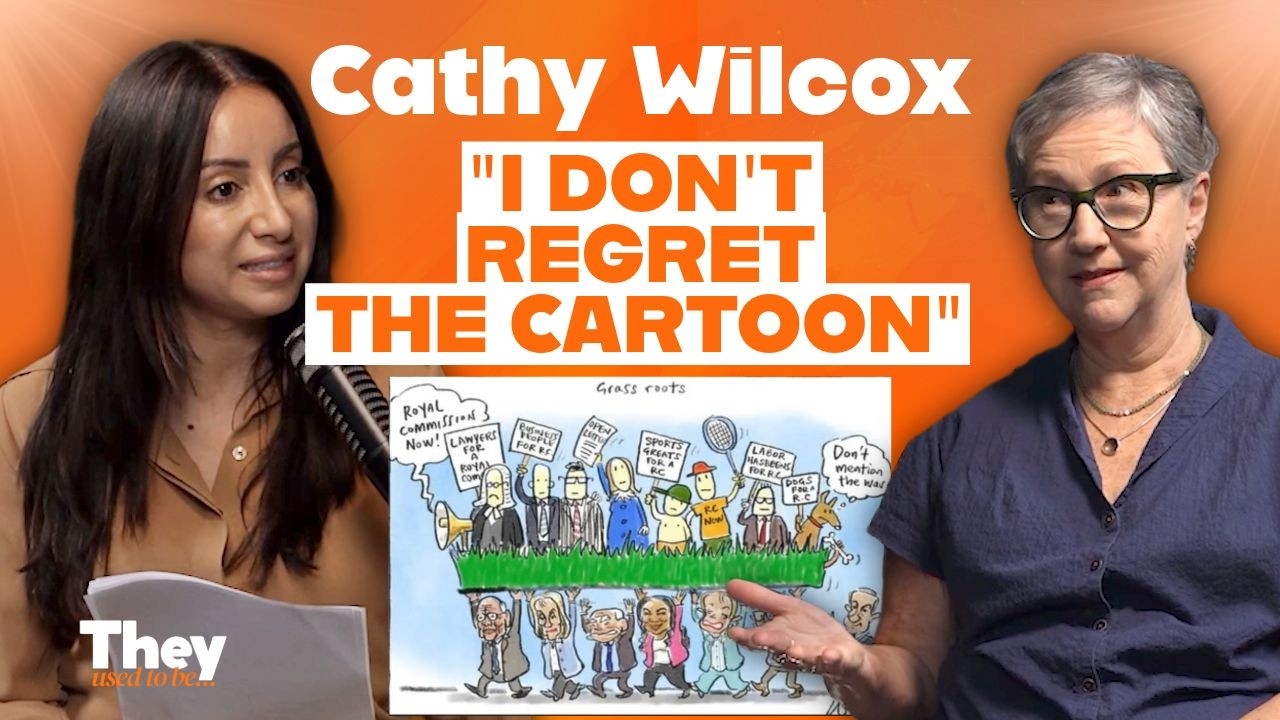
In early January, Wilcox’s cartoon "Grass roots" commented on Israel’s president Benjamin Netanyahu’s political motivations as well as the power dynamics behind the push for a Royal Commission following the attack on a Jewish Hanukkah event at Bondi Beach.
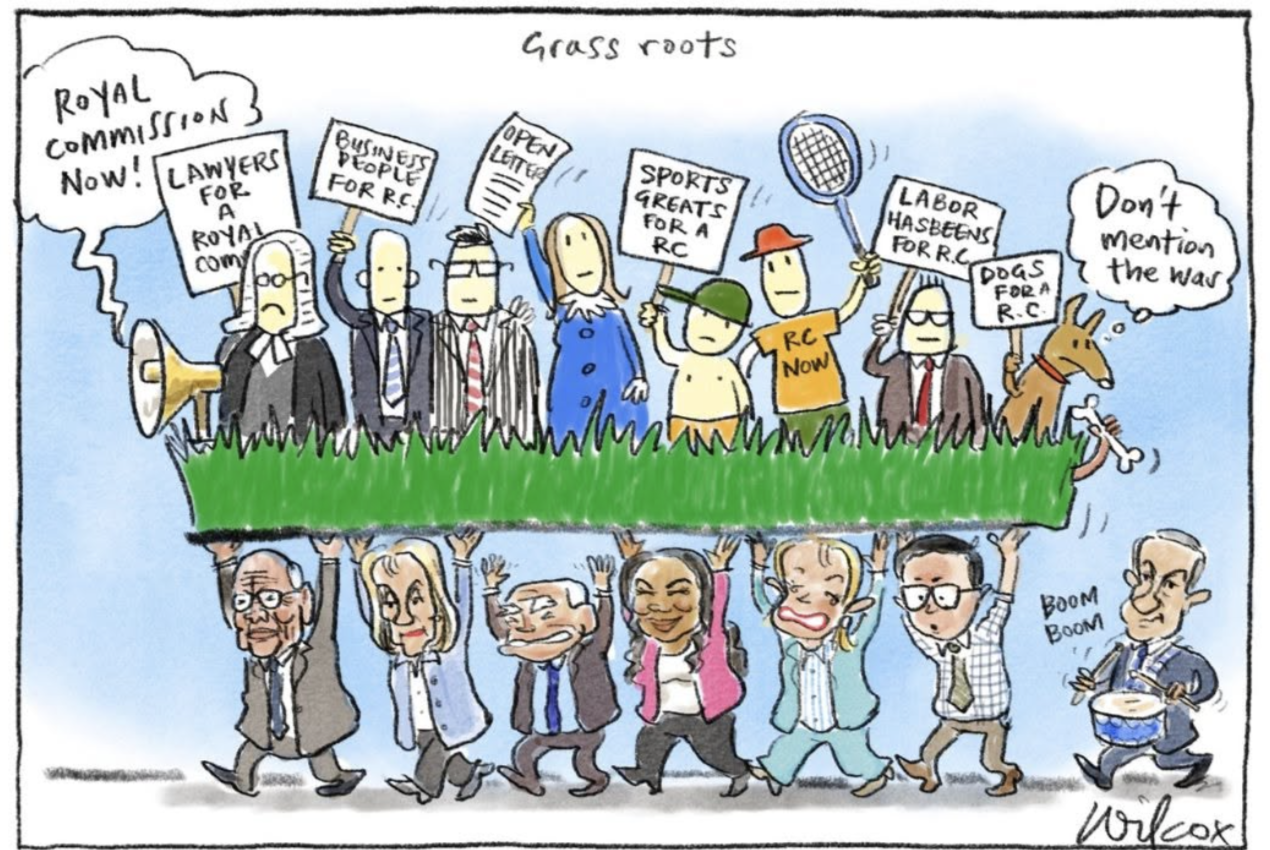
“I absolutely don't regret the cartoon because I absolutely also don't think that interpretation of it was a fair one,” Wilcox tells Lattouf.
Within days, the newspaper’s editors published a piece titled: “Wilcox cartoon was divisive – and we apologise for the hurt it has caused”, but kept the cartoon up.
“I called him [an editor] and said, ' You've absolutely thrown me under a bus.”
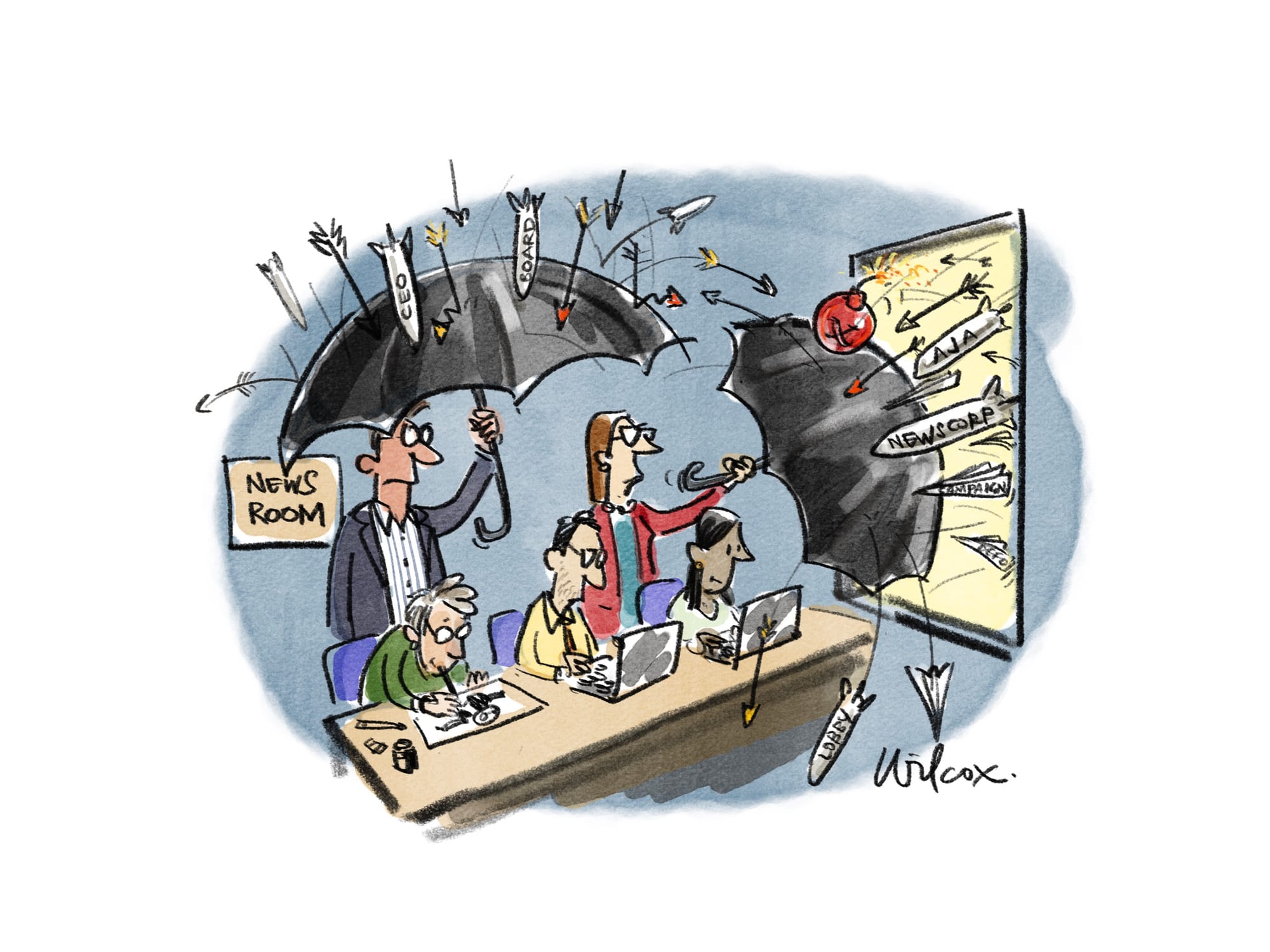
Wilcox also reflects on News Corp and pro-Israel lobbyists' months-long campaign against her cartoon and employer, as well as the Australian Press Council’s finding against her
“If I had only done the other cartoon that I was thinking of at the time, which was him [Netanyahu] standing in front of a monumental pile of bodies and telling Albanese that he had blood on his hands. That probably would have been the image that I could have done. And that would have upset people a whole lot too, because guess what? Blood libel.”
Wilcox says that, because of the Murdoch media pile-on and no longer feeling editorially protected by Nine Newspapers, she made the bittersweet decision to take a voluntary redundancy.
“My principle was if you can't talk about all things in our country, in our democracy, in this place, in which I have enjoyed this freedom, if you can't talk about all things, then you can't do your job.”
Asked what message she would like send to her Nine newspaper colleagues, she pauses and then tells Lattouf:
"Out of the habit of turning things into into pictures, but the journalists in a row with the editorial level behind them, protecting them from the strings, the onslaught that's coming from outside and the onslaught that's coming from upstairs ... I feel that's been lost."
Nine newspapers were contacted for comment but did not respond.
They Used To Be... vodcast is out now. You can watch it on YouTube, listen on Apple Podcasts, Spotify or wherever you get your podcasts.
Upcoming guests include former Google AI engineer turned whistleblower Sofia Liguori and former Media Watch host Jonathon Holmes. The podcast will also feature a former Prime Minister and former international sports star, to be announced soon.
Alyssa Partington is the podcast’s senior producer. She is an award-winning podcast producer whose work spans documentary, journalism and entertainment audio.
Keep us fiercely independent.