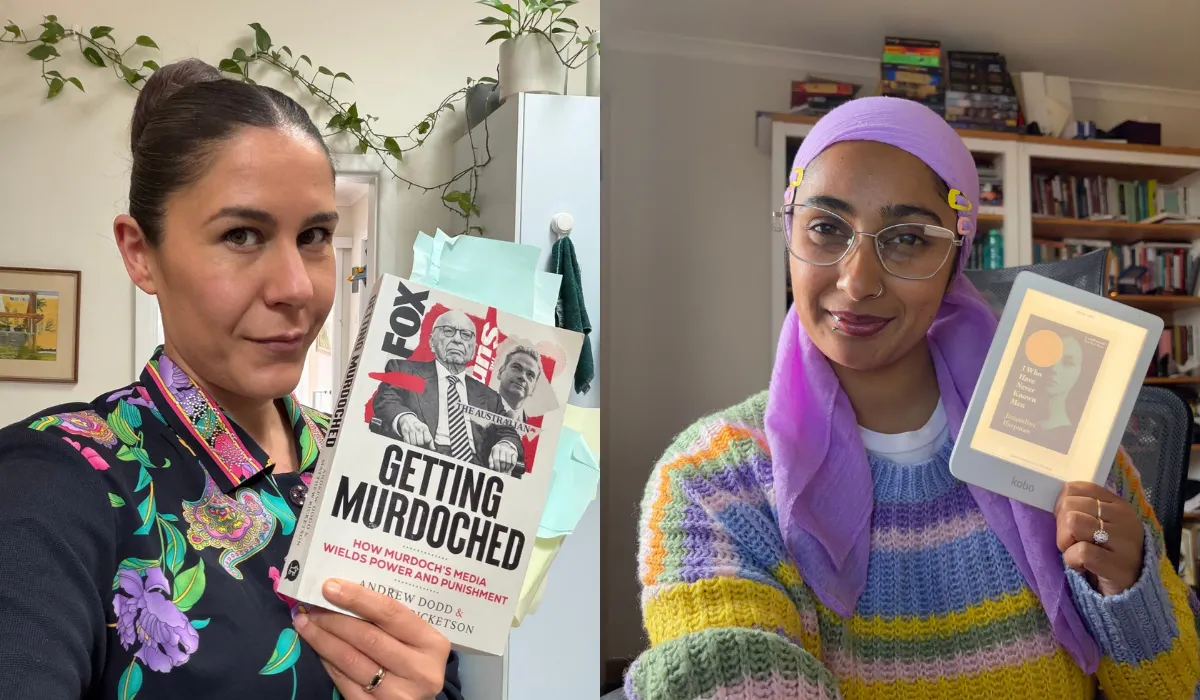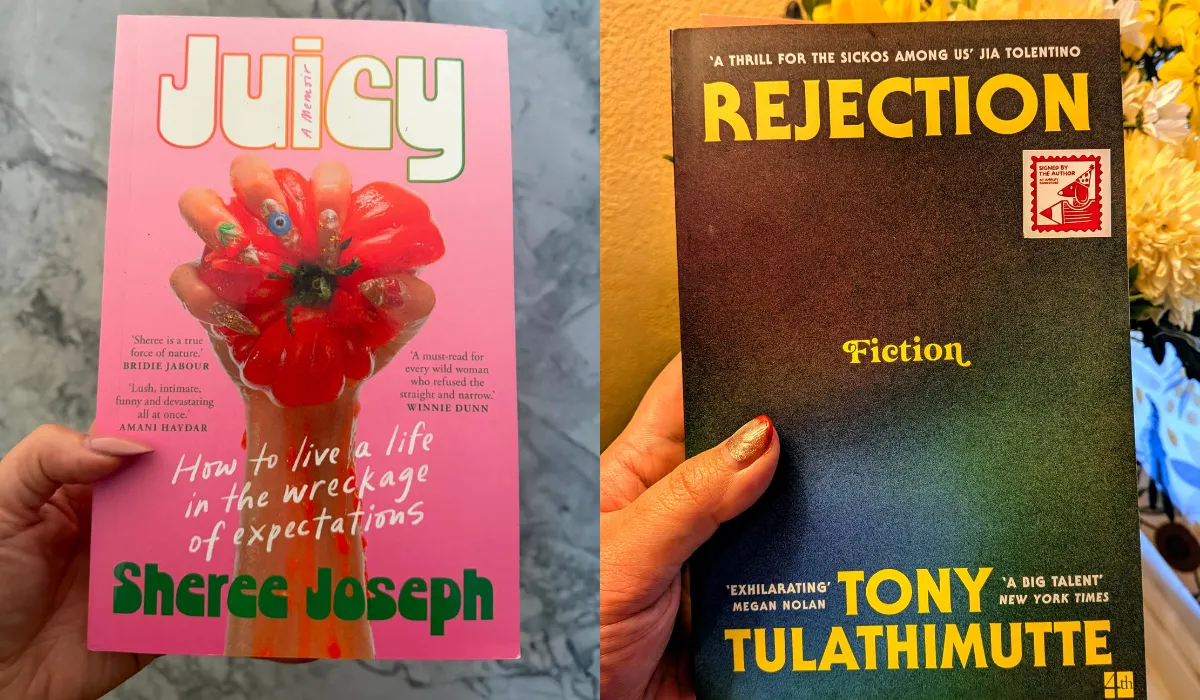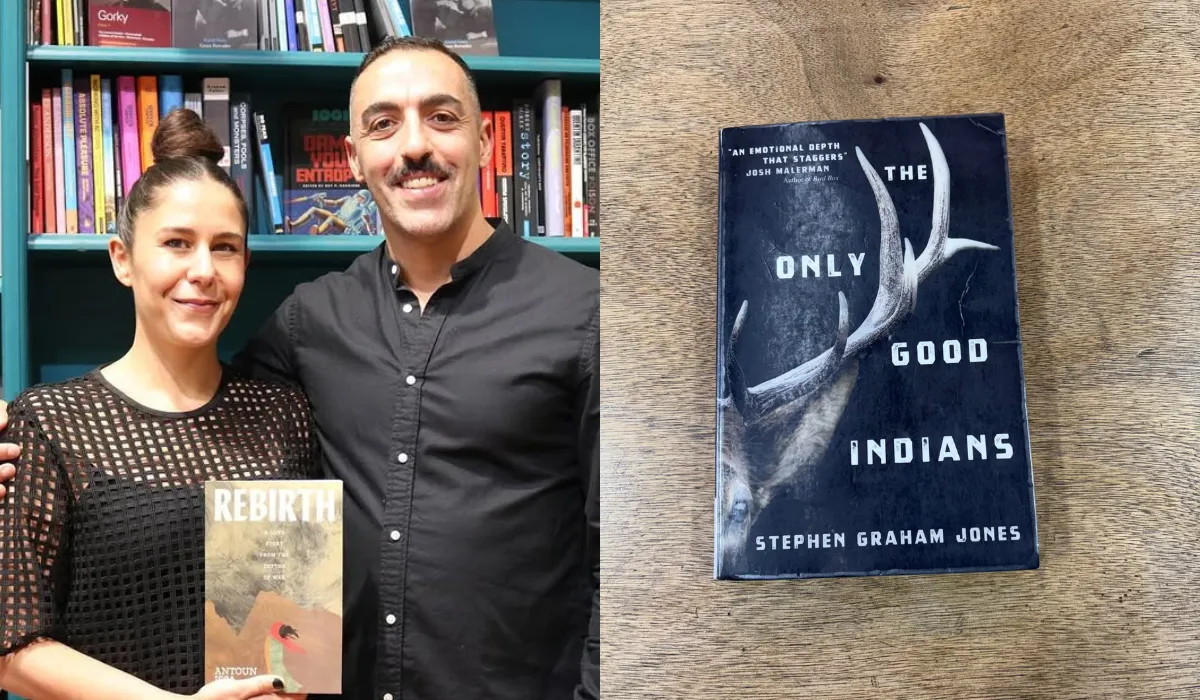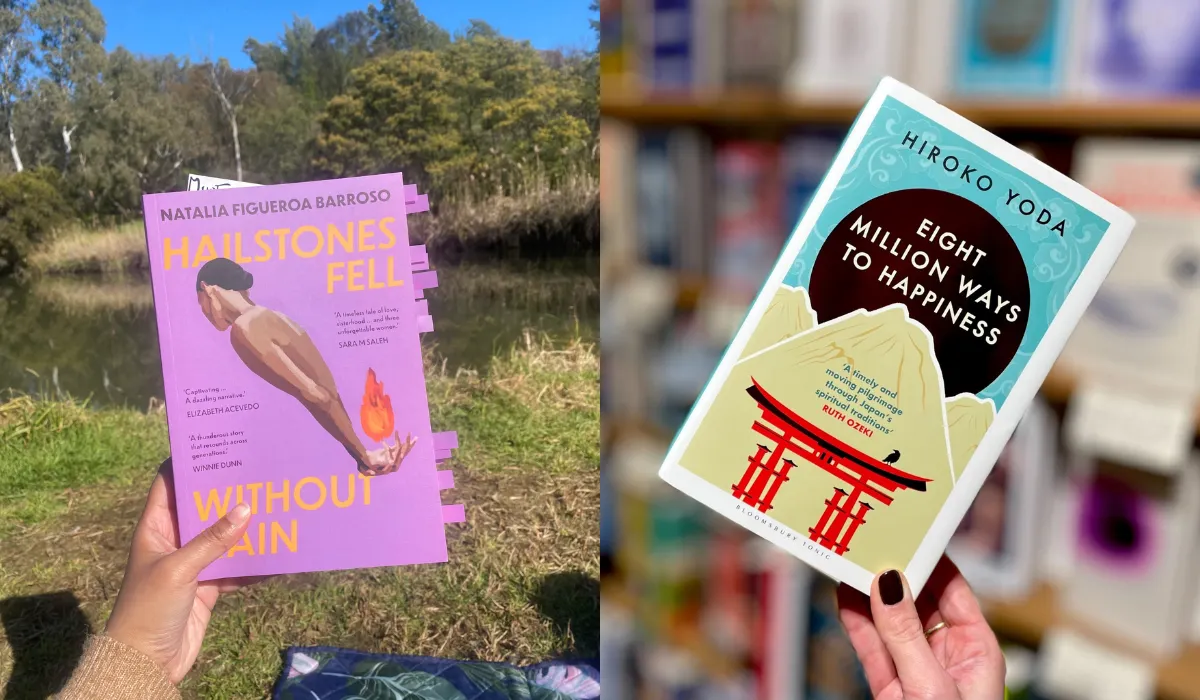
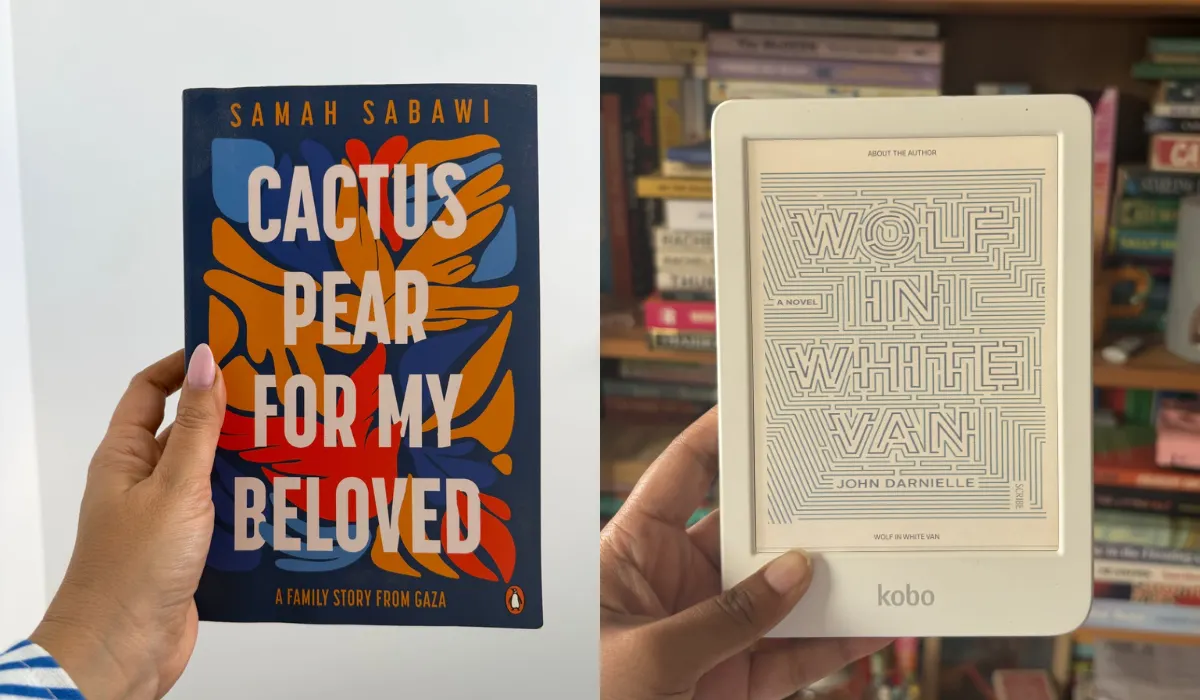
Ette Media's Friday Book Club brings you one fiction and one non-fiction recommendation on the last Friday of each month and this month we're spotlighting a buoyant, intimate memoir and a disarmingly sincere novel.
Before we get into our picks for this month, we have to do some shameless self-promotion: Antoinette’s book Women Who Win is out this Tuesday but you can order it now!!
Here's what some women of note have had to say about it:
Essential reading for all women! … The book is a glorious celebration of fearlessness in women. A tonic for now and a lesson for the future.
— Yumi Stynes
Sharp, witty, rage-inducing (in the best way), and impossible to put down. It’s time to rewrite the history books to honour women who've won.
— Turia Pitt
Antoinette proves that a true victory is one that is shared and that advances us all. We would all be winners for reading this book.
— Grace Tame

Let's keep the good books coming.
FICTION: Wolf in White Van by John Darnielle
Recommended by Soaliha
I almost exclusively read books written by women. In 2025, I prided myself on the fact that in all the 50+ books I read that year, not a single one was written by a man. This year, I was again aiming to read 50 books that aren’t written by white men, but John Darnielle has broken that streak for me — and I can’t even be mad about it.
A member of my book club chose Wolf in White Van as our March pick because the author is the main (at one point, sole) member of her favourite band, The Mountain Goats. The story follows Sean Phillips, a reclusive man with a severe facial disfigurement that was the result of shooting himself at 17 (the circumstances of the shooting are vague, at least initially). While trying to cope in recovery as a teenager, he dreams up a play-by-mail role-playing game called Trace Italian. Fast forward some years — decades? — later, two of his most loyal players go rogue, resulting in a gruesome discovery and a lawsuit against Philips.

I admit, I was a little resistant when I picked up this novel, but I found Wolf in White Van to be beautiful, evocative and introspective. I really, really loved it. Its plot seems dense but it’s rather dreamy and thoughtful, a stream of consciousness that flits between memories and ruminations with ease. It’s one of those novels that meanders through its narrator’s strange, disarmingly honest observations.
In fact, the book’s arc is more like a spiral — certain moments come close to each other, maybe tread the same space, but don’t come to a point until the very end. A real twist.
The story is told in non-linear, cyclical and in fragmented moments, a structure I interpreted as a reference to backmasking — playing songs in reverse to uncover a supposedly secret message, something people were quite scared of during the Satanic Panic. “Wolf in white van” are the words allegedly heard if you play the song “Six, Sixty, Six” in reverse. Darnielle told Publishers Weekly that he actually wrote the last chapter first, and then built the story around it. “I started typing something up, and it was what became the last chapter of Wolf in White Van. I just started typing it up and it ended with a guy shooting himself and I said, 'Well, that’s not a good story.' So then I wrote a bunch of other chapters with no direction at all.”
It’s funny he should say that, because Wolf in White Van never feels messy. In fact, the book’s arc is more like a spiral — certain moments come close to each other, maybe tread the same space, but don’t come to a point until the very end. A real twist.
We find meaning by looking at things in reverse, by telling ourselves stories. It’s how we build our own mythology.
If you read Wolf in White Van backwards, you’ll find the story told chronologically. There are no secret messages, as far as I can tell, but what its structure does is bring to light is how we search for meaning by looking backwards at times in our lives that felt inexplicable or confusing, injecting conjecture and projecting narratives that might help us make sense of ourselves (“It’s hard to overstate how deep the need can get for things to make sense.”). We find meaning by looking at things in reverse, by telling ourselves stories. It’s how we build our own mythology.
NON-FICTION: Cactus Pear for my Beloved by Samah Sabawi,
Recommended by Antoinette
I met Samah Sabawi earlier this month at an event celebrating the 2026 Stella Prize shortlist. Her novel Cactus Pear for My Beloved had been longlisted the year before — and, in my classic blurting fashion, I told her I loved it and immediately confessed I’d only picked it up because it was the last unread book on my bedside table and I had been avoiding it for months. A glowing endorsement, delivered with a Lattouf-style lack of filter.

But the truth is, I had been avoiding the Palestinian poet and award-winning playwright’s first novel. When I was gifted the book at the end of 2024, my heart — like many people’s — felt heavy watching the daily war crimes in Gaza. I expected something dense, a worthy but weighty political read. Instead, I found something far more disarming: writing that beautifully and quietly pulls you into the lives of Sabawi’s parents and grandparents — so much so that you don't want to let go of them by the final page.