By Greg Barns SC
When it comes to reporting on defence, security and foreign policy, increasingly, the mainstream media lets us down. It's as though News Corp and the Nine newspapers are utterly captured by the security establishment, and others are almost nowhere to be seen.
An example of this failure is that in the past month the Albanese government’s Defence Legislation Amendment (Accelerating Capability and Protecting Bases) Bill 2026, naturally supported by the Coalition, has received such little coverage despite its breathtaking attack on the rule of law.
It was ushered through the House of Representatives in two days a month ago and the government only allowed less than an hour of debate last week on the bill in the Senate before it passed.
The chilling nature of this proposed law lies in the fact that it creates a lawless zone around defence bases.
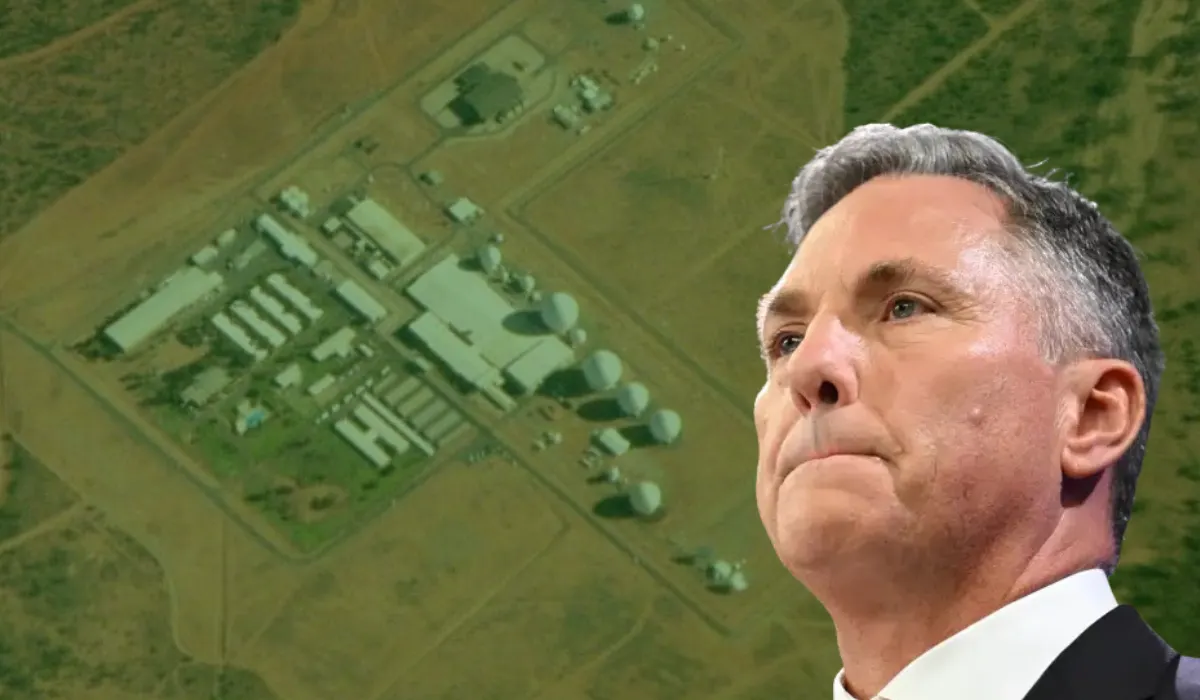
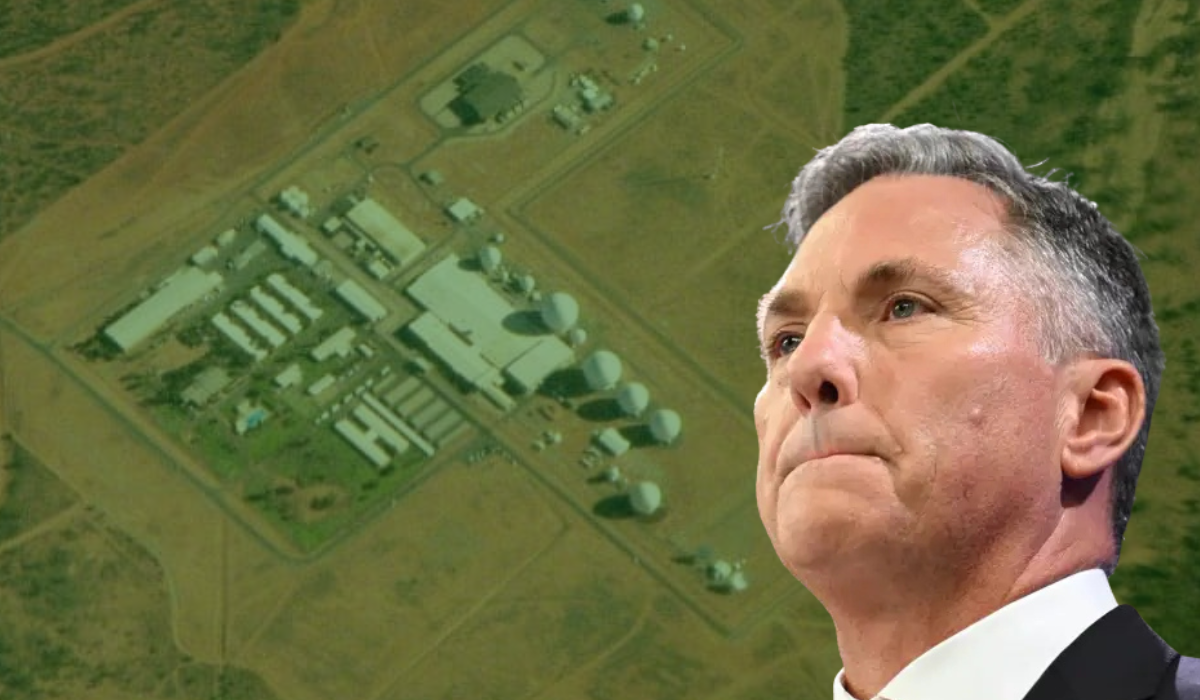
The Bill allows the Minister for Defence to declare what are called ‘Defence Security Zones’ which ‘protect Defence personnel, activities, information and capability wherever Defence operates,’ according to the Explanatory Memorandum to the Bill. So not just naval bases but private sector defence companies offices and work spaces.
We've made this article free for everyone to read.
Again, the Explanatory Memorandum makes it clear just how broad is the notion of a security zone. It includes ‘permanent, temporary, mobile and emergency Defence security zones, allowing security protections to be tailored to operational requirements and security risks.’
And in these zones the rule of law is suspended because not only do law enforcement officers have powers to ‘access control, identity verification, security screening, search and seizure, removal, detention, security monitoring and related security functions necessary to protect Defence activities and assets’, but so do ‘appropriately authorised and trained Defence security officials where reasonably necessary for defence security purposes.’
 Ette Media
As the Law Council of Australia has pointed out, the “definition of defence security officials is broad, and the Bill seemingly could make it possible to extend the same responsibilities to non-ADF personnel, including Australian Federal Police Officers, industry partners, and members of foreign military forces.”
Who would have thought we would see a day in this democracy when an employee of weapons company Lockheed Martin would be enforcing laws?
Then there are what are called ‘capability declarations’. These are designed to stop any public scrutiny of defence work and allow for domestic law to be suspended so as to enable work to be carried out.
A ‘defence capability activity’ is any activity ‘reasonably necessary’ for undertaking defence activities including ‘generating, preparing, researching, designing, procuring, developing, building, manufacturing, testing, evaluating, storing, maintaining, transporting, sustaining or disposing a capability’ for the Australian and foreign countries. The Minister can keep the temporary declarations secret. Worse still, senior public officials and two star defence officials can exercise the Minister’s powers.
The offences created by the Bill, many of them not requiring the prosecution to show intent on the part of the accused, are broad. Lawyer Rita Jabri-Markwell has helpfully summarised the offences provisions in the Bill.
They include ‘unauthorised entry or presence, taking photos or video (from inside a zone, by drone, or against a direction), drawing sketches of the site (in special zones), or undertaking a ‘controlled’ or ‘restricted’ activity (such as flying a drone), with penalties depending on the security zone level.’ And it is an offence not to provide your ID or to refuse to follow a direction. The law is so poorly drafted it will be hard to know if you are breaking it – but then maybe that’s the whole idea.
And while the Bill says it protects the right to protest, it doesn’t in reality because a ‘defence security official’ can prevent protest, dissent or industrial action if there is a reasonable likelihood – note this is a broad discretionary power – that officer thinks, someone might die or suffer serious harm, there would be serious damage to a property, or, among other things, ‘obstruction of the performance of an activity carried out for one or more defence purposes.’ In other words, any protest of any type is likely to be illegal.
And you can also be certain that when people are charged, the Commonwealth will want suppression orders to make sure the case doesn’t get public scrutiny.
The Defence Minister Richard Marles and his assistant minister Peter Khalil dress up this utterly unconscionable piece of legislation essentially as letting the Americans and this nation get on with AUKUS, and play the dangerous China containment game.
In other words Australia, as an outpost of the Washington empire, prepared to jettison transparency and law to please it’s masters in the White House and Congress.
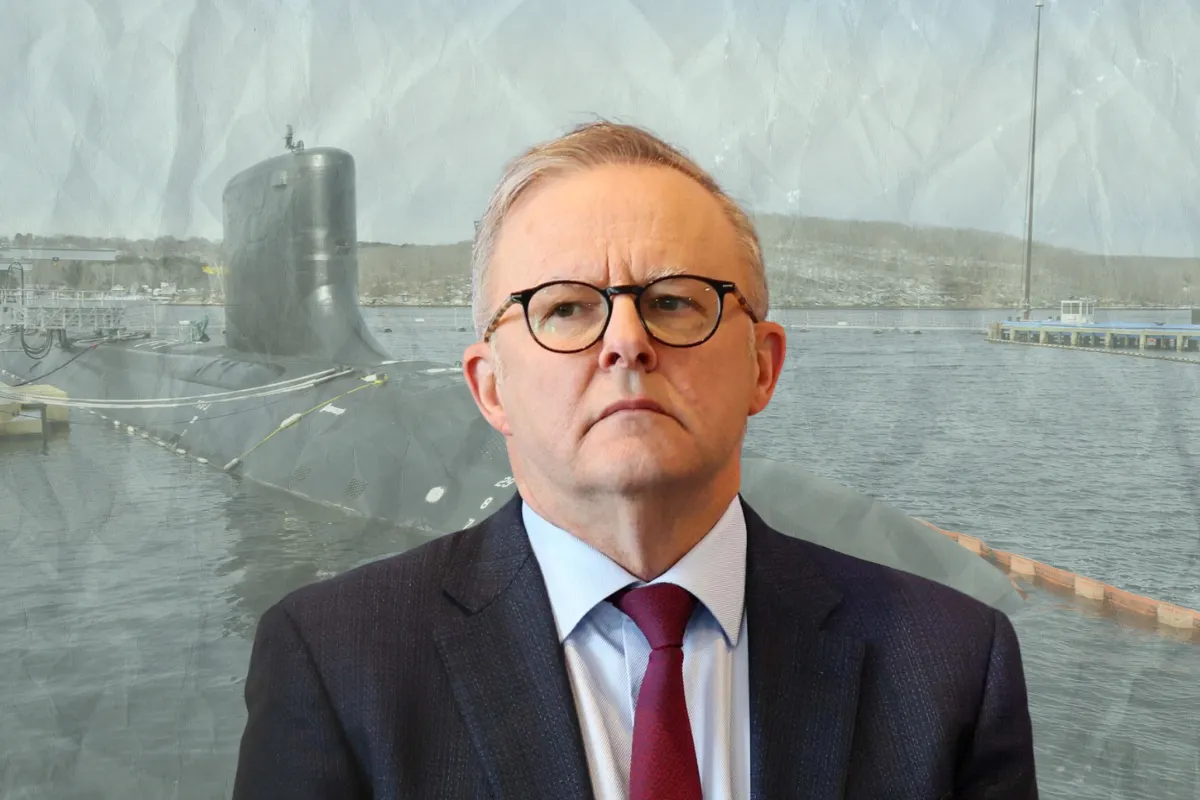
And interestingly, this Bill is now law just in time, courtesy of a revelation by The Economist recently that the USS Colorado, a nuclear powered submarine, will operate out of HMAS Stirling in 2027 where $2.2 billion will immediately spent on base works.
Works that you can only see if you break the new law.
Greg Barns SC is a barrister and a former National President of the Australian Lawyers Alliance
We've made this article free for everyone to read.