By Lydia Shelly
If you’re confused by, or haven’t even heard of, the new Defence Bill: it will grant sweeping executive powers to override existing laws, introduce serious criminal offences that threaten peaceful protest and journalism, and dramatically extend what counts as a “military security zone”. It’s expected to get its final stamp of approval on Monday and is part of an alarming pattern Australians ought to be very worried about.
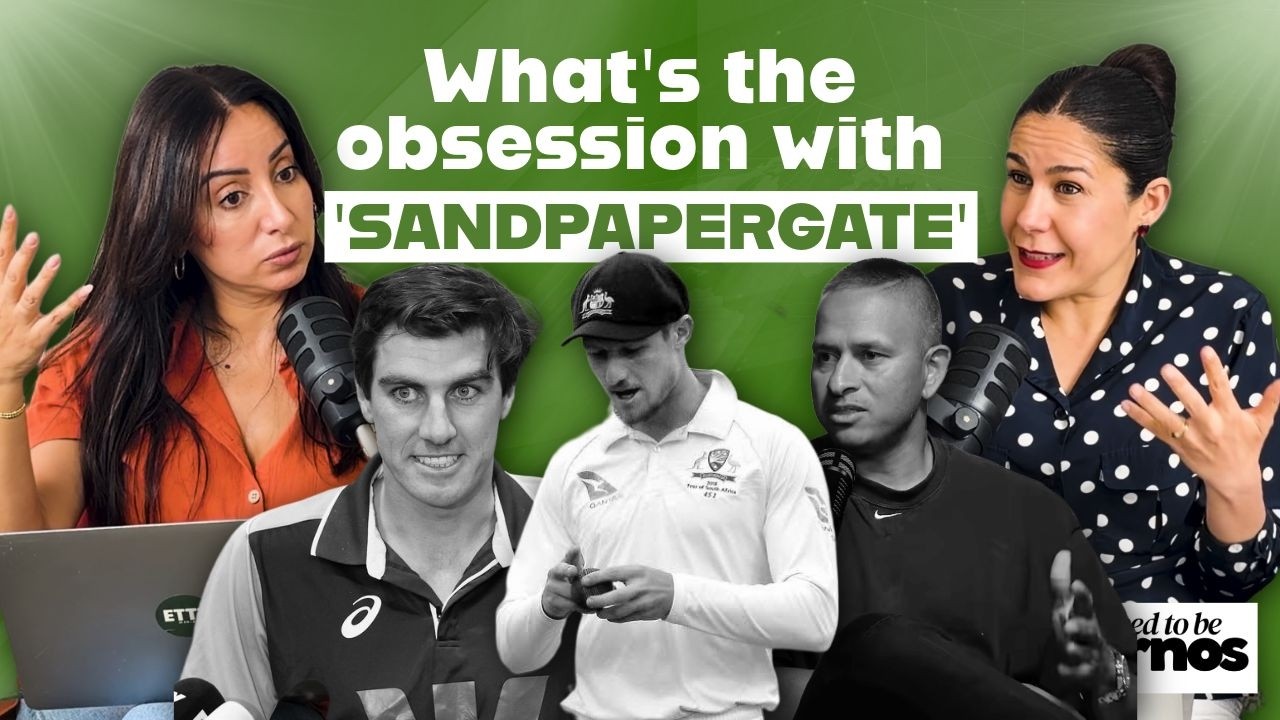
Last Thursday Australians woke to the much-anticipated release of Grand Theft Auto VI (with the ABC even publishing a detailed explainer sharing “everything you need to know” about the game), renewed controversy over 'sandpapergate', and photographs of our Prime Minister with Vladimir Putin sprinkled with news that our unemployment rate has increased.
Meanwhile, in Canberra, the Senate was passing arguably the most controversial and significant expansions of defence powers in Australia’s modern history (certainly at a time when Australia was not at war).
These laws give unprecedented executive power to the Defence Minister, foreign militaries and even private companies, while further criminalising the work of journalists and activists. Curiously, I couldn’t find a detailed explainer from the public broadcaster or any other mainstream media organisation.
Introduced just a little over three weeks earlier, the 231-page “Defence Legislation Amendment (Accelerating Capability and Protecting Bases) Bill 2026” was only debated for 22 minutes in the Senate last week, before the Government then restricted debate to 30 minutes on the following day, resulting in a total of 46 minutes of debate. By comparison, the Senate debated the use of smart glasses and wearable cameras for at least 68 minutes on the same day.
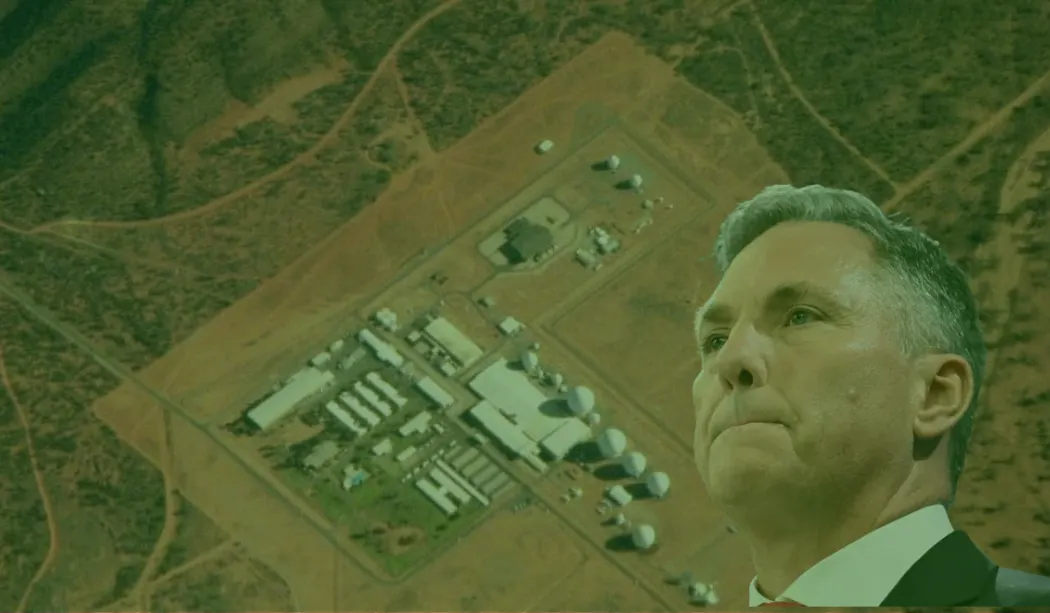
Yet it's not the smart glasses legislation that gives the Defence minister and others the power to override state and Federal laws and declare any Australian airspace, sea, or land a ‘defence security zone’, even if it’s just to support a foreign military.
On Monday, the Defence Bill will be in the final stages of being rammed through Parliament with bipartisan support and barely a cursory inquiry from Australia’s mainstream media. When the major parties agree, does that give the media permission to look away—nothing to see here—or should the media examine it more closely?
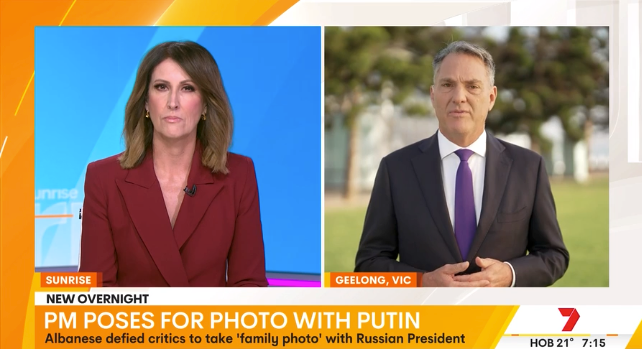
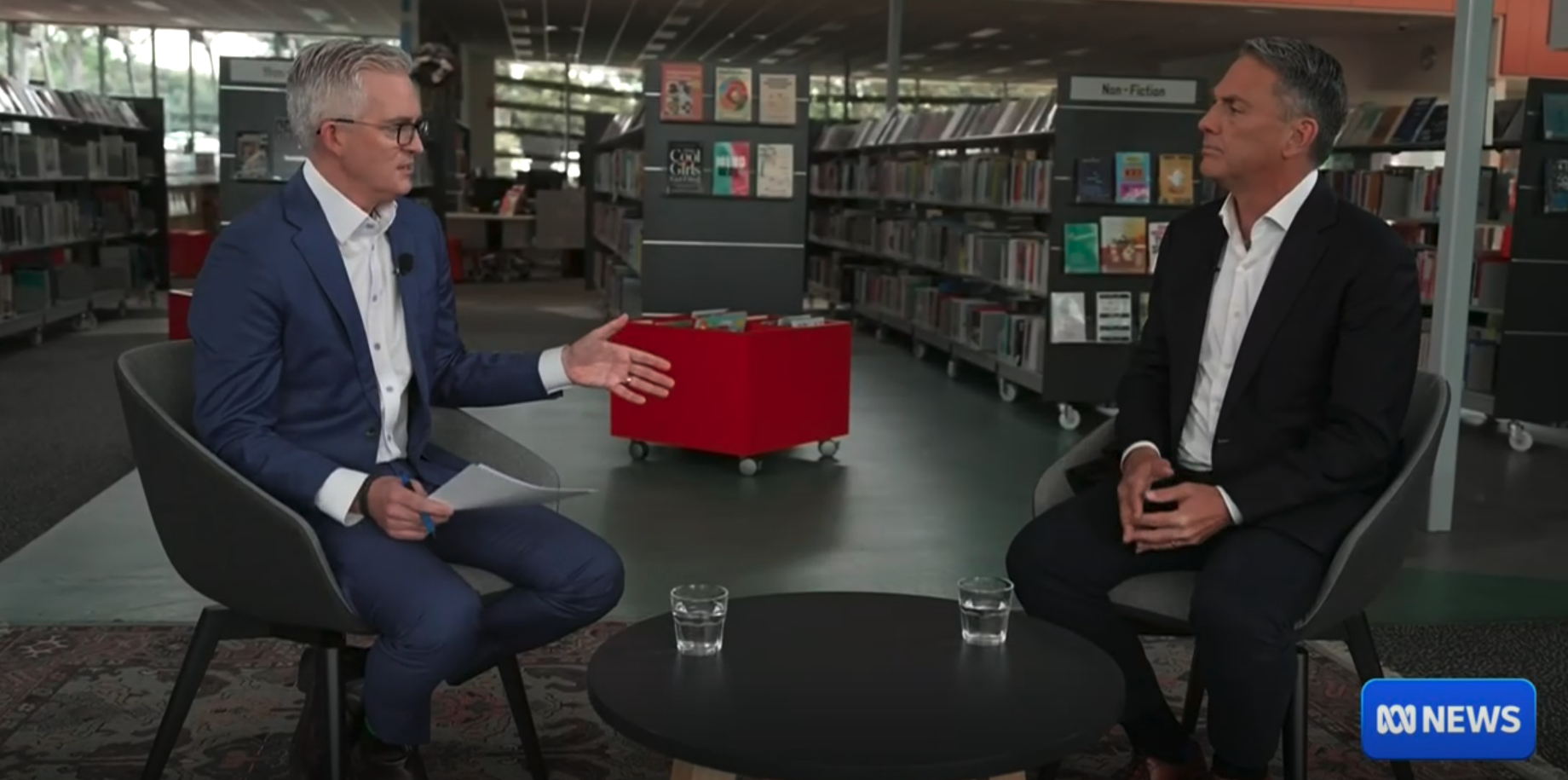
The government discreetly sought to usher it in. If you missed the public campaign or press conferences about it -- it's because there weren't any. Nor did Defence Minister Richard Marles face any questions about the bill, despite appearing on ABC’s Afternoon Briefing, ABC’s Insiders, ABC News Breakfast, News24, Nine’s Today, Seven’s Sunrise, and multiple doorstops in front of press packs over the past week. Many independent outlets with small teams and far fewer resources did their best to sound the alarm and ask tough questions.
We've made this article free for everyone to read.
Public feedback and scrutiny of the Defence Bill were also limited to just three days: how can that produce meaningful democratic deliberation?
This reckless approach to rushing through national security legislation without proper scrutiny has been a long-held concern for those defending civil liberties. Elected parliamentarians, journalists and ordinary citizens can’t, in such a short time frame, properly comprehend complex national security legislation and its impact on our civil liberties, our international human rights obligations and the rule of law.
What is especially troubling is that the Defence Bill does not emerge in isolation.
Since 9/11, Australia has progressively and hurriedly transformed our national security architecture to meet both old and emerging threats. Extraordinary powers once justified as exceptional responses to politically motivated violence and security risks have become ordinary features of our legal and political processes; even when certain threats diminish, the legal overreach remains firmly entrenched.
These incremental encroachments on our civil liberties, amid poor parliamentary scrutiny and limited public participation, have become routine in Australian lawmaking.
The Defence Bill represents, arguably, the greatest intrusion of military power into civilian life in recent memory. It raises serious concerns about whether “defence security zones” can be extended to privately owned facilities and whether “defence security officials” includes foreign military forces and personnel not usually considered military personnel in the traditional sense. These are not minor administrative changes.
The Australian mainstream media has long failed to rigorously and consistently interrogate the trajectory of national security laws, and the latest iteration in the Defence Bill. But can we entirely blame them? The Australian media has not been immune from the machinery of national security.
The space for Australian journalists to investigate and meaningfully examine national security laws has shrunk considerably. It has withered because of increased surveillance and the risk of intercepted communications, raids on homes and workplaces, and the growing threat of criminal prosecution for “doing their job”.
Mainstream media has also progressively failed to meaningfully investigate and interrogate the expansion of national security powers since September 11, ramped up more recently to criminalise dissent against Israel’s crimes against humanity – including what this means for ordinary Australians who are preoccupied with the price of milk and bread and how they can afford to pay their rent or mortgage.
When journalism is chilled, scrutiny suffers. The public are prevented from participating in public debate, democracy erodes further, and before you know it, you could find yourself charged for taking a photograph outside a privately owned facility used by a foreign military power or even a defence contractor that uses that facility for “defence purposes”.
At this point, Australians will likely be outraged and rightly ask, how did we let this happen?
The irony of Australians receiving detailed explanations about how to navigate a fictional work of gaming criminality, whilst being afforded almost no explanation of laws capable of criminalising aspects of their own conduct, should not be lost on us.
Lydia Shelly is a lawyer and the Vice President of the NSW Council for Civil Liberties.
We've made this article free for everyone to read.