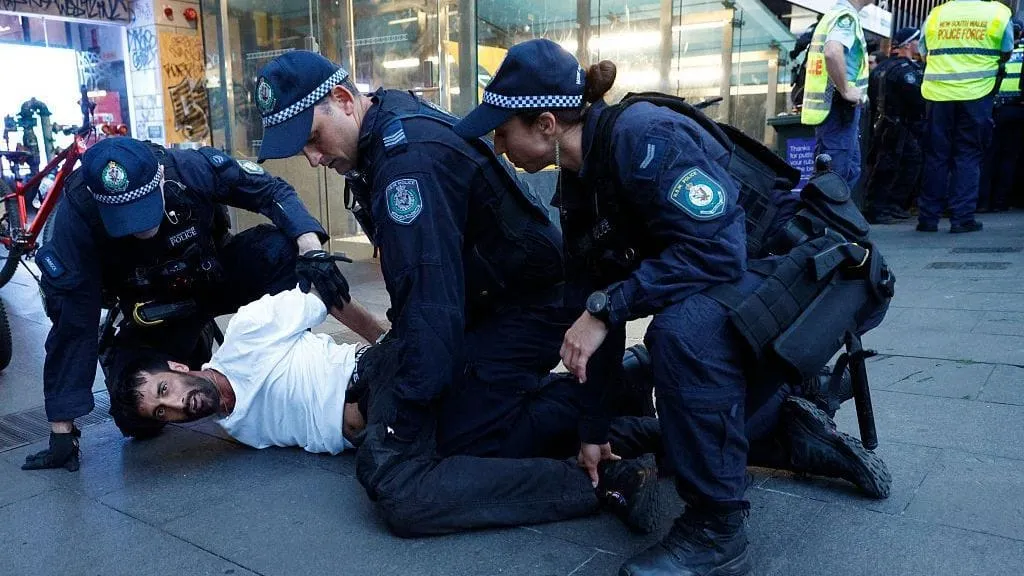
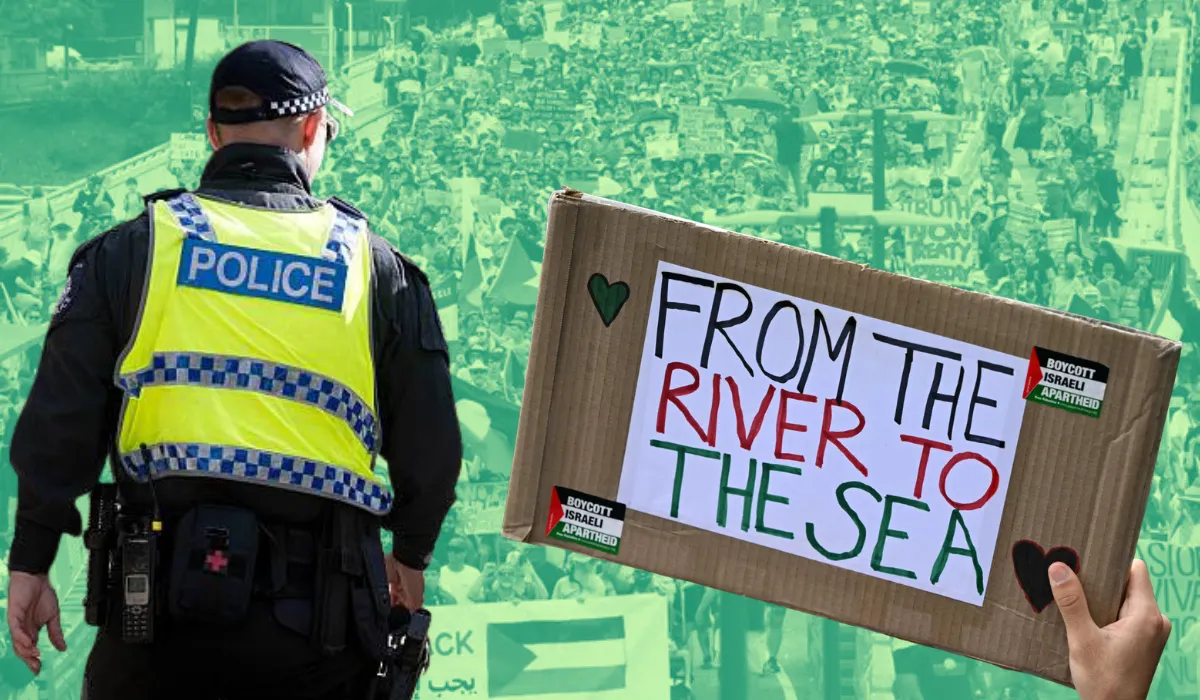
The federal government wants to make it harder to delist a designated terrorist organisation and it also wants to use control orders more widely —which strip away a person's right to live, move and work freely—as the go-to tool for "managing serious terrorist offenders in the community." But experts warn against these amendments given the “highly politicised” environment post-Bondi terror attack.
On August 12, the Counter-Terrorism Legislation Amendment Bill 2026 was introduced to Parliament, and peak legal and expert groups were given three weeks to make submissions in what has been described as an “incredibly complicated” and sometimes opaque area of law.
The government says the Bill “developed in close consultation with law enforcement…extends critical counter-terrorism powers”
So what exactly are these new laws? And why is there a good chance you haven’t even heard about them (or are struggling to keep up with so-called counterterror bills)?
Firstly, don't confuse these latest proposed laws with the ASIO Amendment Bill (No. 2) 2025, which sailed through the Senate late last week and hands ASIO much broader coercive questioning and detention powers. That bill, explained and unpacked in the latest Only Fran episode, seems squarely aimed at anti-genocide protesters.


The Counter-Terrorism Legislation Amendment Bill is a different piece of legislation. Experts have told Ette Media these proposed changes to the law could strip people of the right to procedural fairness by disallowing them to apply for a ministerial review of their listing once they have been labelled a terrorist. It seeks to also increase the number of instances in which the Australian Federal Police (AFP) uses control orders, which can be enforced whether or not someone has a terrorism criminal conviction and places limitations on who they can interact with and where they can go. It can also require regular reporting to authorities and even the need to wear a tracking device.
Gemma Cafarella, President of Liberty Victoria—one of Australia’s leading and oldest civil liberties organisations—and a practising public law barrister, said she was shocked to see the Bondi terror attack being used as a justification for these amendments,which she says would make already harsh laws even more “draconian”.
She told Ette Media, “terrorism is a really emotive topic that is used to justify really significant changes to the law that reduce people’s rights. There’s a long history of curtailment of rights in the context of purportedly preventing terrorism.”