Usman Khawaja used to be an international Test cricketer. He was the first Pakistani Australian cricketer to represent the country, and has made many more headlines since — especially when he took a public stance against Israel’s genocide in Gaza.
Now, he reflects on the double standards and racism he has faced on and off the pitch, and why the backlash will never stop him from telling the truth.
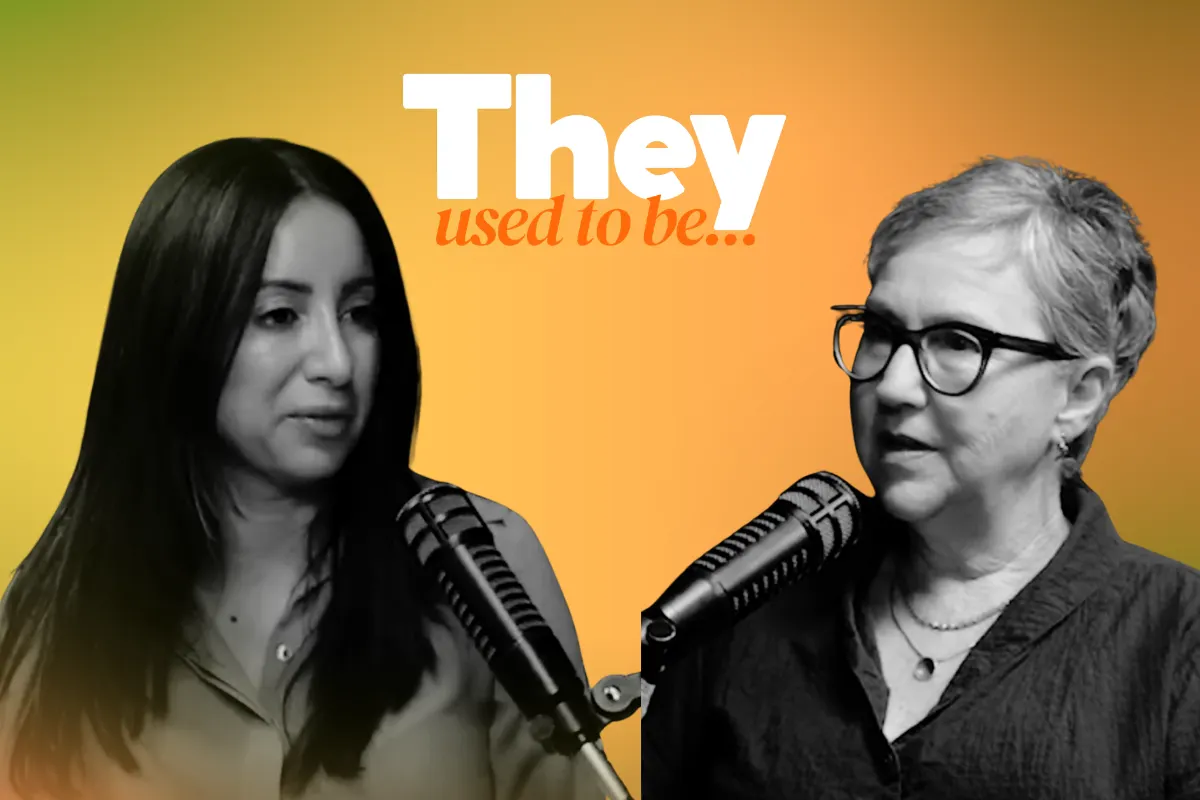
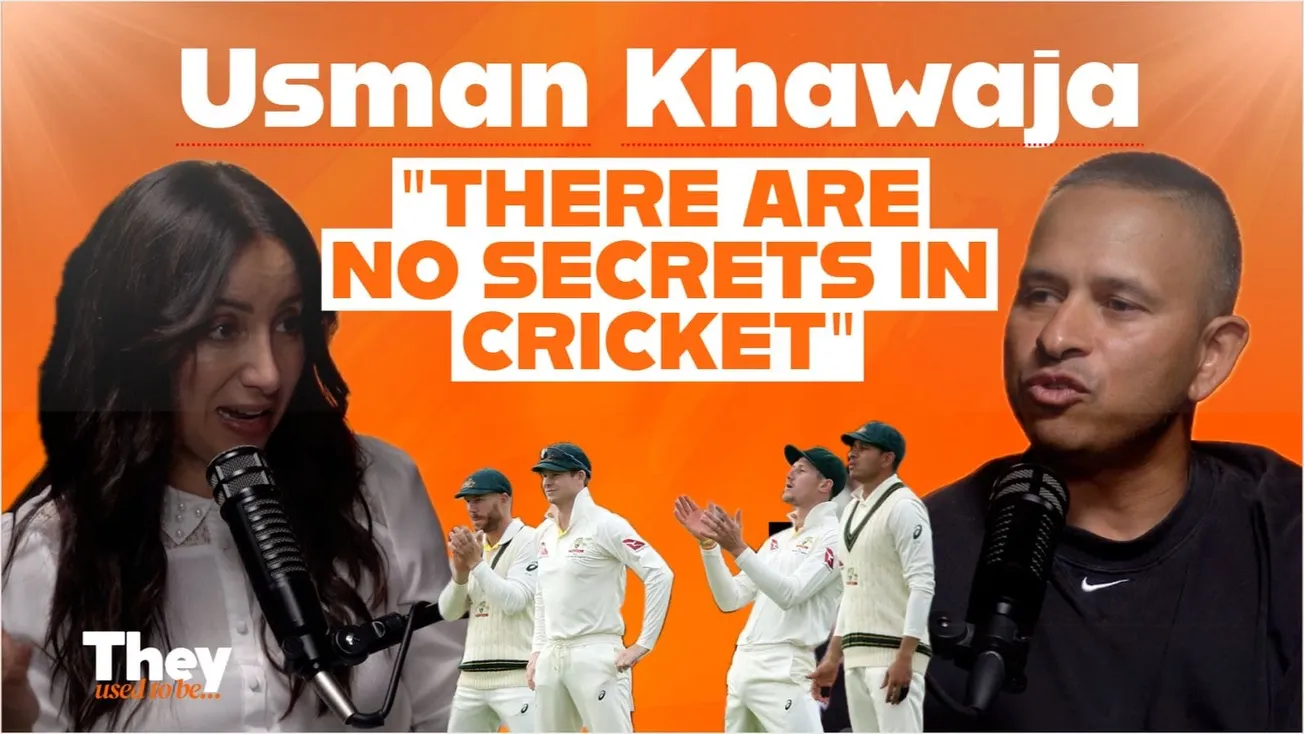
In the latest episode of They Used To Be…, Ette Media’s new interview podcast series, Antoinette Lattouf speaks to Usman Khawaja about racist double standards, his advocacy for Palestine, and the “sandpapergate” controversy that has taken the media by storm.
At the centre of these discussions is, of course, the Australian media and how it has shaped public discourse not only about his place in Australian cricket, but in Australian society, too.
This article paywall was removed. Please support independent media.
“It felt like the Australian media and the Australian people would prop you up… only to knock you back down to earth,” Khawaja tells Ette Media.
Khawaja was always outspoken — in the ways people of colour often are, just by virtue of lived experience and feeling a duty to speak out when you have a platform— but he noticed a shift in how the media treated him around 2022, when he “started speaking about stuff that wasn’t totally cricket-related.”
“Whether it might have been talking about racism in Australia, or Islamophobia, or later on when I started talking about the Palestinian cause, whatever it might have been, people didn't like that I went out of my cricket bubble,” he says.
“I found the attacks after that and how the media, the aggression they had after that, was a totally different ball game… I don't think I realised at the start what I was getting into.”
“When I speak about things that aren't cricket-related, they're like, ‘You should be grateful. You've come to this country. You've got to play cricket for Australia. You should be on your knees, thankful for what you've got. You shouldn't be talking about Australia or criticising or whatnot. Just get back in your box and shut up.’ That's the vibe I get all the time. Even until now.”
In December 2023, after Israel’s genocide in Gaza intensified, Khawaja wore shoes to a training session for Australia’s first test match of the series against Pakistan, which had “all lives are equal” and “freedom is a human right” written on them in the Palestinian flag’s colours.
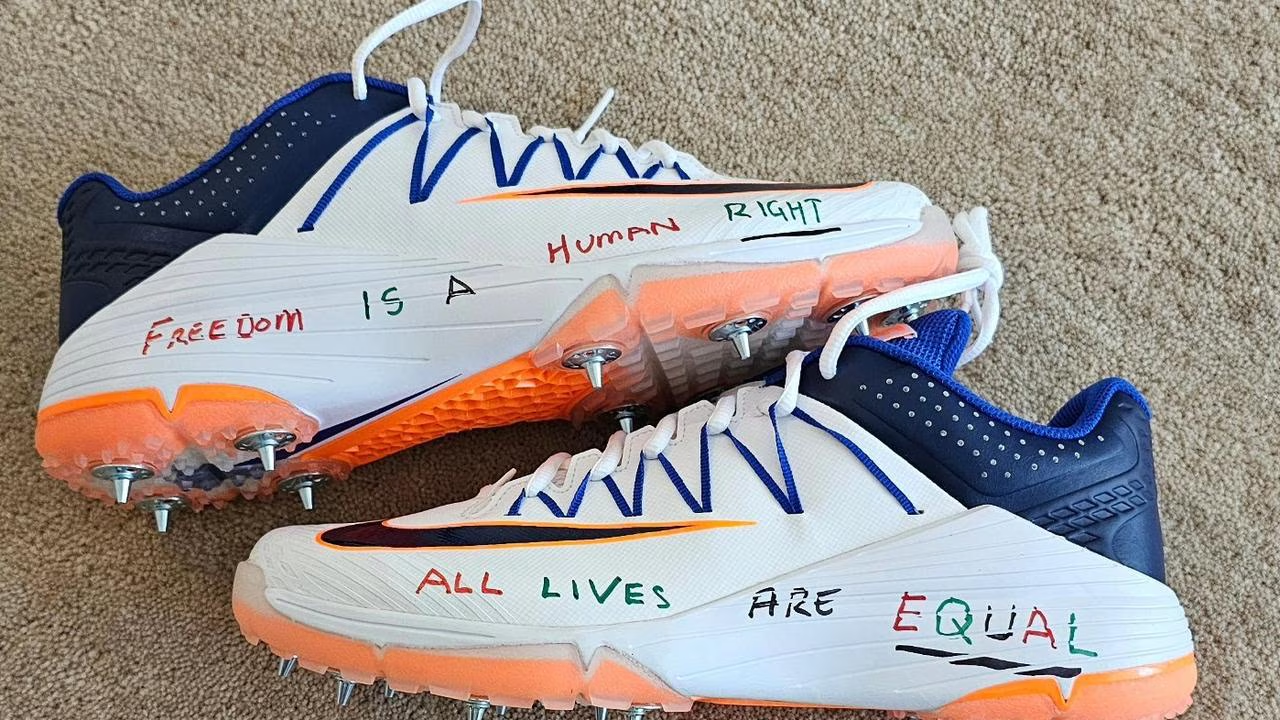
He was warned by the ICC that he would be sanctioned if he continued wearing the shoes, and so during the first test match against Pakistan in Perth, he wore black armbands instead, which symbolise personal bereavement and grief — a nod to his own devastation at seeing confronting and harrowing footage of murdered children in Gaza.
Again, the ICC admonished him and accused him of breaching a policy that disallows religious or political symbols — which he called inconsistent and a double standard.
“Marnus Labuschagne had an eagle on his bat with the Old Testament, Ezekiel 31 something, and [this was] never an issue with Cricket Australia or ICC,” he tells Lattouf.
“There was another player, Keshav Maharaj, who had a religious symbol on his bat. Nicholas Pooran, another player who had a cross on his bat. They've had it for ages. The ICC said nothing to them.”
“They were fine with religious things on the bat, even though it stipulates that they can't. But they weren't happy with me talking about freedom for Palestinians or anyone across the world.”
On top of this double standard, what was increasingly frustrating was how Khawaja’s grief and concern for human rights was seen as at odds with being a cricket player.
“It was so hard to speak about [Palestine] at that point because the media was so pro-Israel. Even though I was just speaking up for human rights, I could feel it come at me just from all angles.”
Khawaja says he learned quickly that “when you speak up for something, there's always some sort of cost to it, whatever it might be.”
Yes, he concedes he lost sponsorship deals for criticising Israel’s actions, but for him, no cost would be too much if it meant he acted in a way he could be proud of.
And so, that brings us to “sandpapergate”: Khawaja’s admission in his book Sabr that the Aussie cricket team knew about ball tampering in the infamous 2018 controversy — a claim corroborated by two players but vehemently denied by captain Pat Cummins.
The result, of course, is a media frenzy.
“I've stood up for the three guys who I feel like were treated unfairly. But there are other guys that are still playing in the team right now that there might be some sort of cost. I've tried my best to balance that out. But there's always a cost to everything you do."
Khawaja tells Lattouf that several years ago he promised his best friend and former teammate, Dave Warner, he would tell the truth about who supported the ball tampering and that nobody stopped it.
“There's a cost to my family over the last few days, too… because every time something like this happens, the media comes hard at me personally.”
For this reason, Khawaja has moved away from traditional media releases and interviews, instead speaking to his followers directly on social media — which he finds allows more authenticity in how he expresses himself.
“I realise that I actually don't need the media to say what I want. And the best part is when I speak to the media, it always gets chopped up and then sent out — it's never the whole of what I say —, but when I speak online, people have to watch that video. They watch the whole video, and it's my words,” he explains.
“It actually takes a bit of the power back away from the mainstream media.”
You can listen to Usman Khawaja’s full interview on They Used To Be… wherever you get your podcasts, or watch it in full on Apple and YouTube.
This article paywall was removed. Please support independent media.